Voice Warm-up

  • Types of voice warm-ups and the steps to complete them:
  • Step 1 – Drink Water
  • Step 2 – Eat An Apple/Orange (or any other type of fruit you can think of) as this will help to open up your nostrils, making you sound clearer.
  • Step 3 – Sit up to open the trachea
  • Step 4 – Big-Backwards Bites
  • Step 5 – Lip Roles
  • Step 6 – Escalator
  • Step 7 – Cacophony of Sounds/Repetition is a great way of sharpening your vocal performance, as well as tongue twisters such as: “Peter Piper picked a pickled pepper” or “She sells sea shells on the sea shore”.
  • Step 8 – Make sure you exercise your larynx
Image result for trachea"

Vocal Warm-ups: Repetition

ABT        EBT        IBT          OBT       UBT

ACT        ECT         ICT        OCT        UCT

ADT        EDT        IDT         ODT       UDT

AFT        EFT         IFT         OFT       UFT

AGT       EGT        IGT         OGT       UGT

AHT       EHT        IHT         OHT       UHT
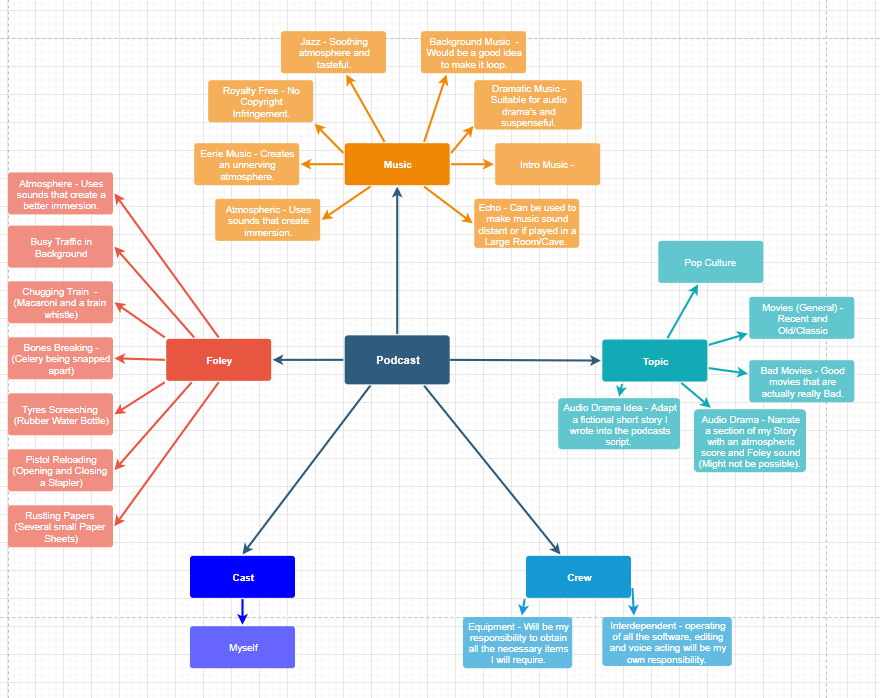
Podcast/Dramatic Reading Checklist

  • Complete/Print Finished Script – Completed
  • Record Intro Jingle – Dark Choir Music (Credit to Mattia Cupelli for allowing me to use this piece in my Podcast/Dramatic Reading)
  • Complete ‘Outline’ Form – Completed
  • Book Equipment with Freddy – Wednesday 29th (Between 1:00 PM and 3:00 PM)
  • Where are you recording? – Wherever I decide – Recording Studio (If its available)
  • Who is going to help? – I will be doing the podcast independently, which allows me to also do the editing of said podcast in post-production.
  • Test Equipment (Important) – Equipment tested: Works perfectly

Radio:History of Science (Research)

  • Technology supports the development of creative processes, therefore knowing the history and the evolution of science behind it is very important. These are some of the examples:
  • Telephone: created in 1960s – wasn’t popular
  • 1800s (late) – Camera Invented
  • Photographer – Vinyl
  • Hertz – Named after Heinrich hertz (Who also invented radio waves)
  • Record: played on a gramophone
  • 1888: Le prince
  • Kinetoscope:

Podcast Analysis (Due: Thursday 23rd Jan)

  • Creative: Foley, SFX, Storytelling
  • Technical: Mikes, Structure, Silence
  • Context:
  • > 10 Min
  • 20 Min
  • < 30 Min
  • Creative:
  • Intro: The intro sequence is a loud piece of upbeat music that places for a few seconds. No Foley sounds are played during this sequence or for the rest of the podcast.
  • Welcome: The music then fades out until the voices of the presenters are the only sound that can be heard. The presenters start to list off a small selection of topics (Though instead talk about their personal experiences) which they will be discussing in this addition.
  • Storytelling: The storytelling is told without music or Foley sound, as it is more casual and therefore not needing of the extra sound effects and atmosphere that other podcasts like Audio Dramas typically need. The stories within the podcast are also told between two presenters in Montreal.
  • Outro: Once the presenters have finished, they say their goodbyes before the intro music (Which is also the outro music) fades back in and plays for a solid 3 minuets before the podcast finally ends.
  • Technical:
  • Mikes: They use standard shotgun microphones to record their conversations.
  • Context:

Codes and Conventions of Podcast Production

  • How familiar are you with podcasts? I have listened to a couple of podcasts and the intricacies behind their production.
  • Share your Favourites
  • What do you enjoy about podcasts mentioned
  • What were the subjects?
  • What elements of the podcast do you remember?
  • Speech: The manner in which words are spoken – annunciations, pitch
  • Music: Sets the mood, the tone and the setting – lesser volume (Background)
  • Sound: Ambience and Sound Effects (SFX) – 3D Perspective being in the same category as Surround Sound.
  • Aural Signposting: Setting the scene using noises, sounds and voices.
  • Silence: Creates a Dramatic Effect, Accentuates a moment, Ends a scene or section, Breaks the dialogue up, Gives breathing breaks for actors to recompose themselves, Prevents from switching off and Adds moments of thought
  • Narrative: Linear – chronological evolution of events which reduces convolution.
  • Non Linear: Builds up an argument between characters.
  • Single – Stranded: One individual presents/analyses theme; can have temporary guests.
  • Multi – Stranded: Two or more presenters discuss theme.
  • Fictional or Non-Fictional – Either or can be fine for a podcast
  • Narrator: Third Person (Definitely, No Question)
  • Technical Elements
  • Audiologo Ident: Aural mix used on its own to identify a product/service. Choose a musical jingle and a production name if you are in a team.
  • Intro: Musical Welcome/Initial Credits. Must Happen
  • Outro: Musical Farewell (Shorter) – End. Must Happen
  • Jingle/Bumber: Slogan or Vocal Line set to an engaging melody. The Jingle mainly appears at the beginning, where as a Bumper can appear multiple times.
  • Sound Design
  • Foley: Incidental or natural sounds added to create a ambience.
  • Instrumental: Choose instrumental music over vocals.
  • Loop: Music being seamlessly repeated infinitely.
  • Note: We will be using Adobe Audition
  • Points of View (PoV)
  • Monologue: Individual presents own view and thoughts of a theme.
  • Interview: 1:1 semi structure questions to understand theme via expert.
  • Vox Populi: ‘Vox Pop’; structured few questions asked to different people (thoughts and behaviours).
  • Panel: Group of people discuss design.
  • Debate: Discussion with opposing sides moderated by neutral person.

Examples:

Foley Sound (Research)

Foley Sound is the reproduction of everyday sound effects that are added to films, videos, and other media when they are in post-production to enhance the quality of the audio. These reproduced sounds, named after sound-effects artist Jack Foley, can be anything from the swishing of clothing in the wind and the patter of footsteps to doors squeaking and rattling as they open and glass shattering when it gets broken.

Image result for foley sound

This is mainly done to further enhance the atmosphere produced by the piece of media, as it helps to draw the audience into the world which its trying to create. Foley sound actually complements or replaces sound recorded at the time of filming known as Field Recording. This is because it is an excellent means of supplying the subtle sound that production microphones

Image result for field recording

ADR – Automated Dialogue Replacement – Dubbing over the original sound

Room Tone – Recording the sound of the room

  • List of Foley Sounds
  • 1.) Bones Breaking (Celery being snapped apart)
Image result for celery breaking"
  • 2.) Tyres Screeching (Rubber Water Bottle)
Image result for rubber water bottle"
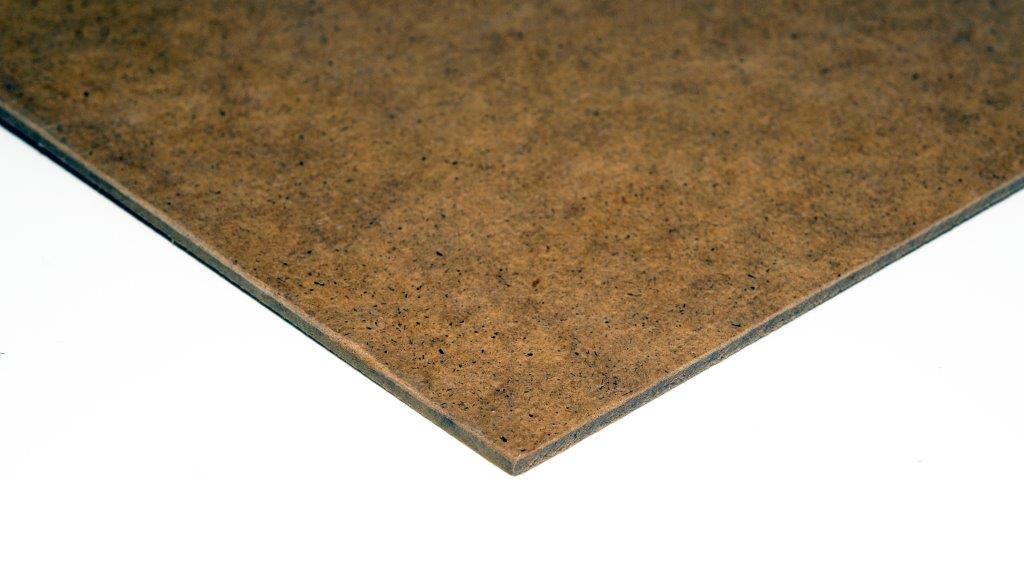
  • 3.) UFO (Fibreboard)
Image result for fibreboard"
  • 4.) Snow (Corn Starch)
Image result for corn starch"
  • 5.) Chugging Train (Macaroni and a train whistle)
Image result for macaroni box"
Image result for train whistle"
  • 6.) Revolver Loading (Vice Grips)
Image result for vice grips"
  • 7.) Flapping Wings(Gloves)
Image result for gloves"
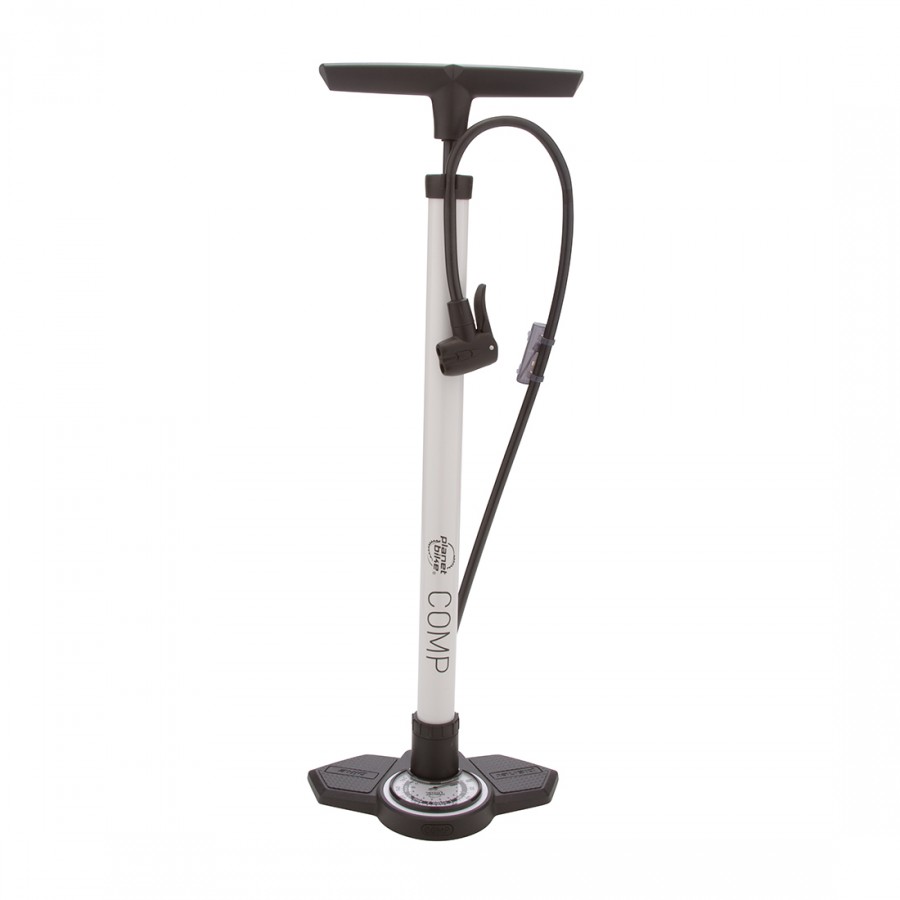
  • 8.) Walking Robot (Bicycle Pump)
Image result for bicycle pump"
  • 9.) Smashing of Glass (Meinl Chimes and a Flight Bottle)
Image result for Meinl Chimes"
Image result for Flight Bottle"
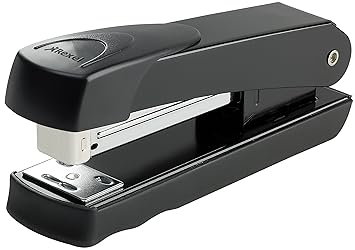
  • 10.) Pistol Reloading (Opening and Closing a Stapler)
Image result for stapler"
  • 11.) Rustling Papers (Several small Paper Sheets)

Design a site like this with WordPress.com
Get started