Close-up types: Long, Medium, Close and Extreme.
CU = close-up, BCU = Big Close-up, XCU = Extreme Close-up, MCU – Medium Close-up, MLS = Middle long shot, MS = Midshot WS = Wideshot, ELS = Extreme long shot, AS = Aerial Shot POV = Point of View and OTS = Over The Shoulder
Close-up: a picture when only a small portion of a characters face is shown. The framing of the object is relativity large. In a close-up, a persons head, or some other similarity sized object, will fill up the frame, leaving air between both the subject (including their neck) and the frame itself. These can be used to stress or emphasise the importance of a certain character at a particular moment in a film or place, as he or her could be central to the plot by singling them out.
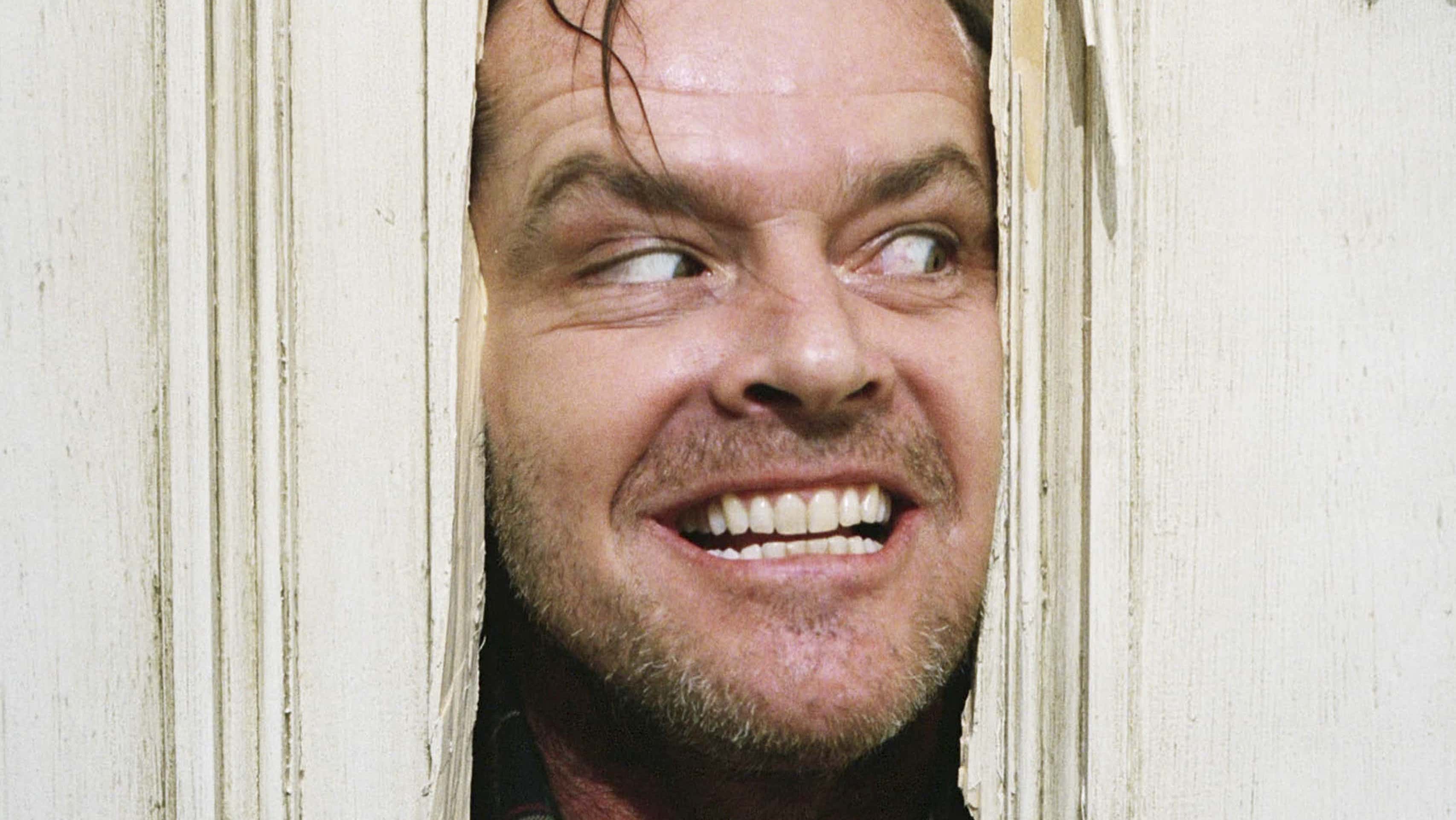
Big Close-up: a tighter shot that almost suffocates the frame leaving no air in between them and the bottom of the frame. Usually cropped at the hair and/or chin of the character.

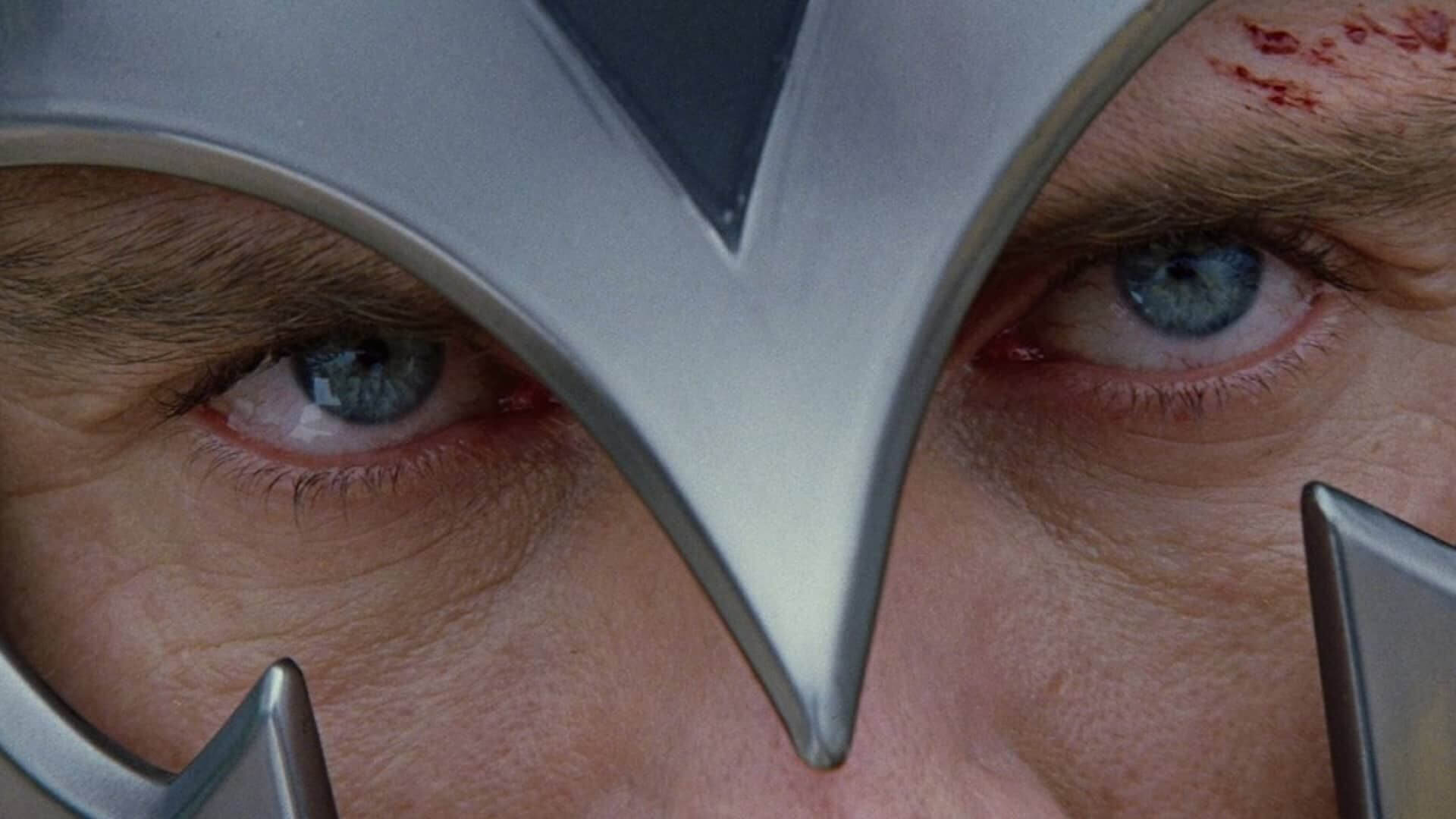
Extreme Close-up: The object shown are extremely large; most commonly, a small object or a part of the body usually shot with a zoom lens. This can also be used to show text on a mobile phone for example. They have a symbolic value to them, mainly due to their recurrence in the film. How and where they recur is revealing not only of their importance, but also of their direction or meaning within the narrative.
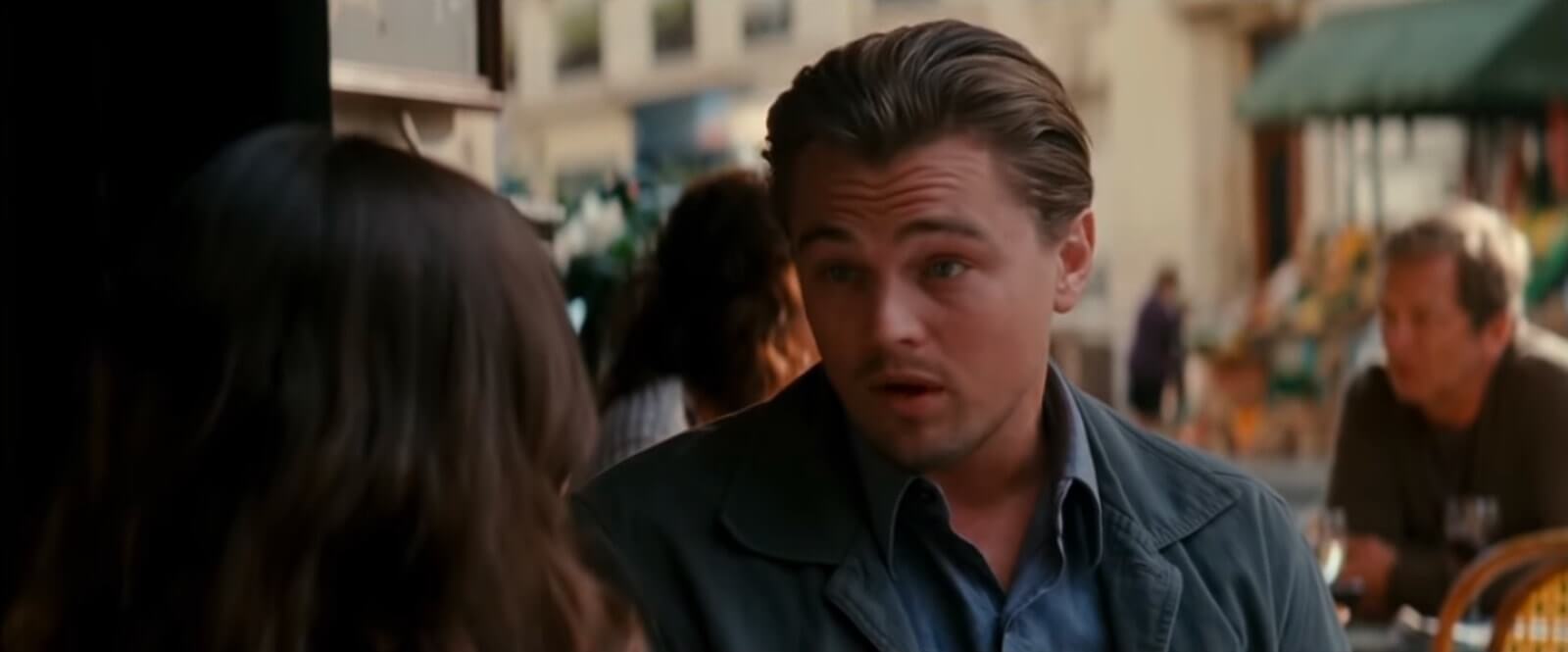
Medium Close-up: It is halfway between a mid shot and a close-up. A medium close-up is framing the shoulders head and chest as they would fill most of the screen. Conventions: Medium shots are frequently used for the tight presentation of two or more actions. This shot is very commonly used in indoors sequences allowing for a visual significance of relationships between characters. Connotations; intimacy, coming together as one.
Midshot: Framing such an object four or five feet high would fill most of the screen vertically. Gives a clear sense of the character in a given location and emphasises body language.
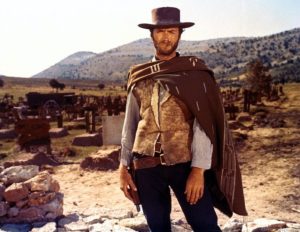
Long/Wideshot: A framing in which the scale is of the object shown is small; a standing human figure would appear nearly the height of the screen. It makes for a relativity stable shot that can accommodate for moment without reframing.

Extreme Long shot: The scale of the object shown is very small, a building, landscape or crowd of people will fill the screen. The surroundings have as much if not more importance, especially if the shot is high angle. XLS gives an overall view. Usually the first or last frame sin a sequence.
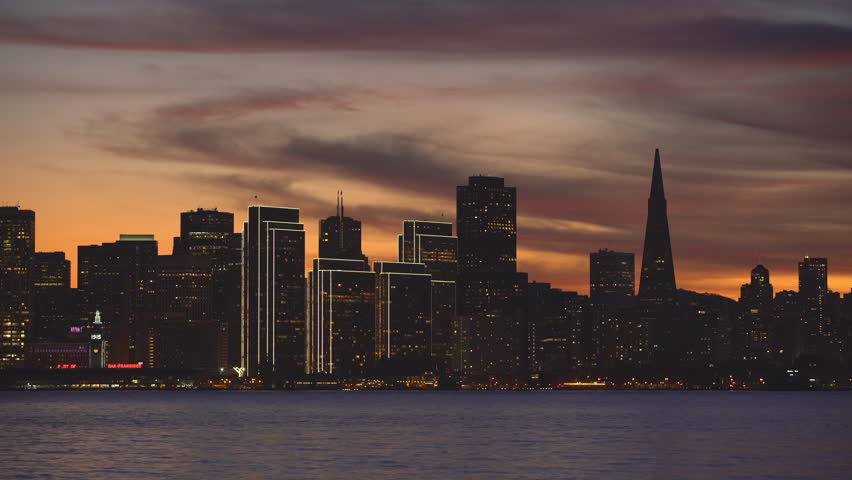
Aerial Shot/Birds Eye View: A camera shot that is usually filmed from an air plane or a helicopter. Not necessarily a moving shot.

Point of View: Shows what the character sees through their eyes. These are often freehand and may often change the audiences point of view to create a certain effect.

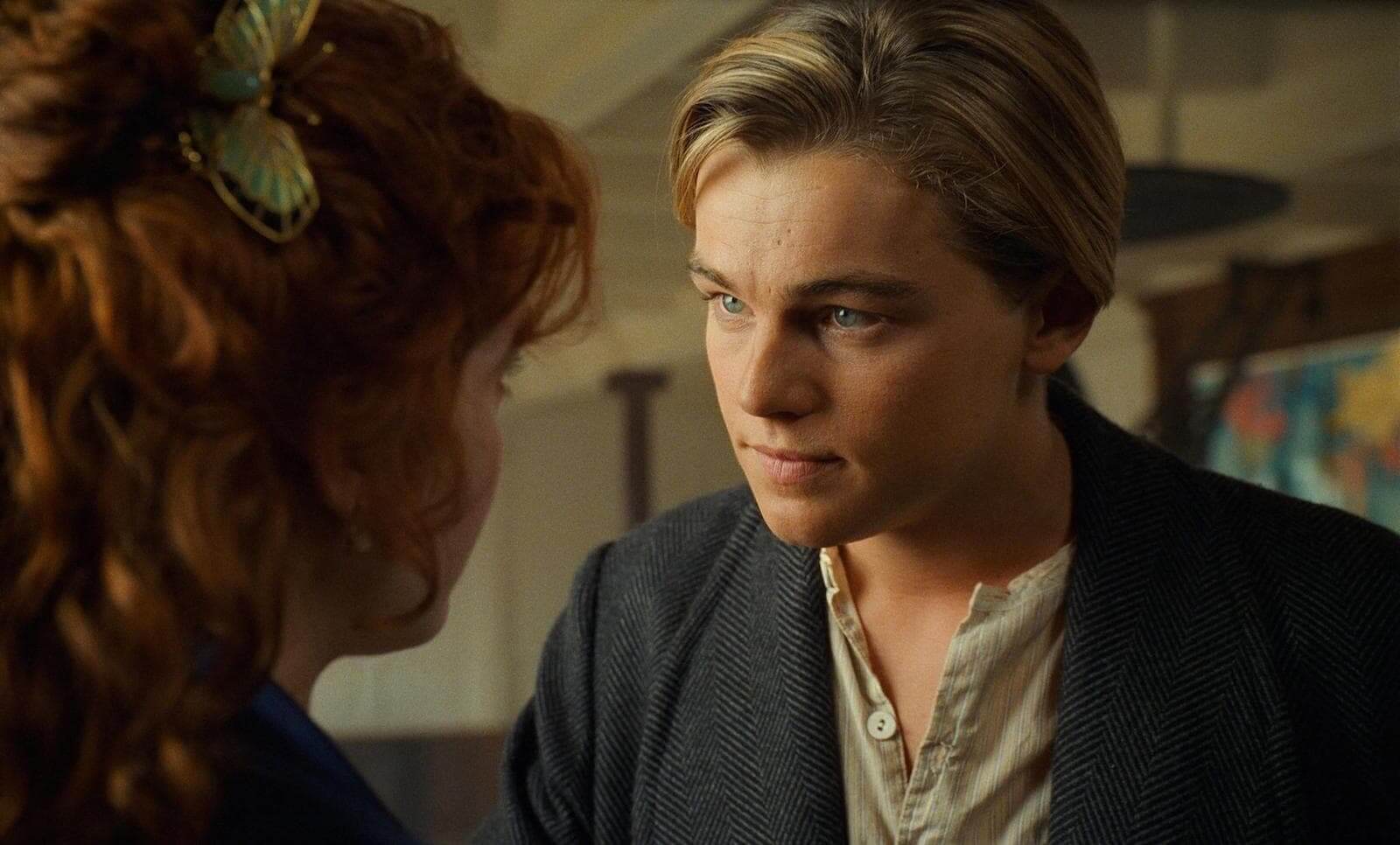
Over the Shoulder: Cinematographic shot taken from over the shoulder of ]a character whose back can be seen at the edge of the frame. This type of shot is very common when two characters are having a discussion.
Shot Types (Camera Movements)
- Tilt Up/Down: Moves both up and down along Y Axis (Usually Neutral).
- Pan Left/Right: Rotates left and right along X Axis.
- Dolly In: A Dolly is a type of rollable tripod which allows for a video camera to be moved freely forwards (Used in close-ups).
- Dolly Out: The Dolly also moves backwards as well in order to zoom out of a shot.
 Piers's Blog (Audio/Video)